Notes
Reading a private jet price list without being misled
A price list is a useful map and a poor receipt. Read correctly, it tells you which aircraft fit your budget; read carelessly, it can leave you thousands short of the real figure.
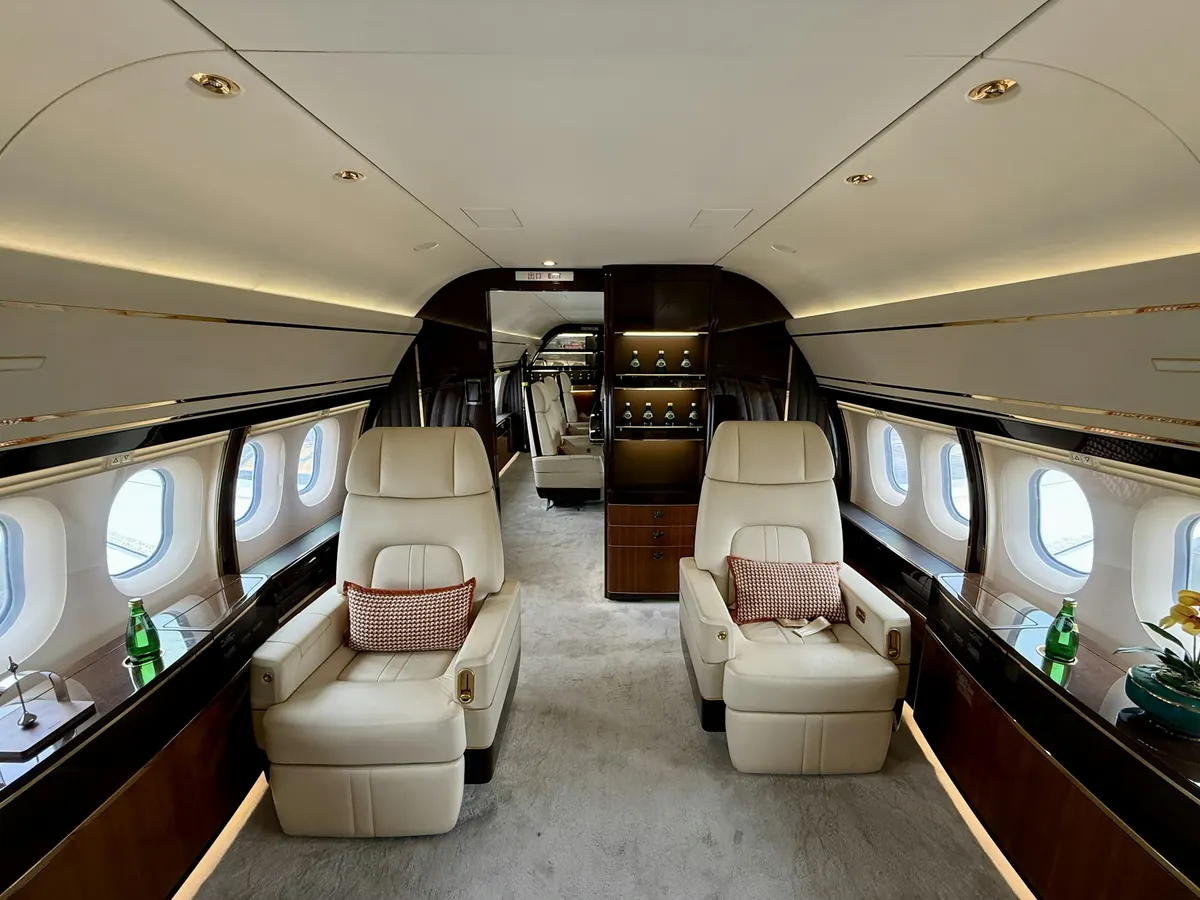
Every charter price list, including ours, makes the same promise and has the same limitation. It shows what a category of aircraft typically costs for one hour in the air. It cannot show what your trip will cost, because a trip is more than its flying hours. The gap between the two is where most surprises come from, and it is entirely predictable once you know what sits inside it.
What the hourly figure actually covers
The hourly rate on a list is the price an operator charges for the aircraft and its crew while the aircraft is flying. It includes fuel at typical prices, maintenance reserves, crew salaries, insurance and the operator's overhead and margin. It is the right number for comparing categories, and the wrong number for multiplying by your flight time and calling it a budget.
Three things sit outside it almost every time: the hours the aircraft flies without you, the minimum hours an operator bills in a day, and the taxes and fees that apply to the trip. On top of those come costs that depend on where and when you fly.
Flown hours and billed hours
A light jet that takes 2 hours 30 minutes to fly from Teterboro to Palm Beach does not necessarily bill 2.5 hours. If the aircraft is based in New Jersey and you fly one way, the operator may need to bring it home, and those hours are part of your cost. If it is based in Florida, the outbound repositioning is. Either way, the hours you pay for can be close to double the hours you spend on board.
Short trips have their own wrinkle. Plenty of operators also charge a daily minimum, typically one or two hours, regardless of how long you actually fly. A forty-minute hop can therefore cost as much as an hour or two of flying, and a multi-day trip where the aircraft waits for you can carry minimums on days it barely moves.
A worked example
Here is how a list figure turns into a real one for a simple round trip. The numbers are illustrative, built from the ranges on our list, and are not a quote.
| Line | How it is worked out | Illustrative figure |
|---|---|---|
| Flight time | Light jet, about 2.5 hours each way, at $3,500–5,500 an hour | $17,500–27,500 |
| Crew overnights | Two nights away from base, if the aircraft waits for you | Quoted by the operator |
| Daily minimums | Days on which the aircraft barely flies may still bill one to two hours | Depends on the schedule |
| Federal excise tax | 7.5% of the taxable charter price on a domestic US trip | About $1,300–2,050 |
| Segment fees | About $5 per passenger, per leg | About $40 for four people |
| Airport and handling | Landing, parking and handling at each end | Varies by airport |
Notice that the flight-time line alone is already a range of $10,000. That is not vagueness; it is the honest spread between an older light jet from an operator with low costs and a new one from an operator in an expensive market. A quote collapses the range to a single figure for a named aircraft.
Taxes are not optional, so check they are included
On domestic US charter, the 7.5% federal excise tax applies to the taxable transportation charge, and a small segment fee applies per passenger for each leg. International trips carry their own taxes and fees, and customs or immigration charges can apply on arrival. A price that leaves these out is not cheaper, only incomplete. The first thing to look for on any quote is whether it says "all-in" and whether the tax appears as its own line.
"From" prices and per-seat confusion
Be wary of single headline figures. A "from" price usually describes the best case: the smallest aircraft, the shortest route, the quietest day. It is a floor, not an expectation. Equally, some figures are quoted per seat for shared or scheduled services, and a per-seat number set beside a whole-aircraft charter price makes the charter look far dearer than it is. Our list is always per aircraft, per flight hour.
Charter, jet cards and fractional ownership
Price lists for different ways of flying privately are not directly comparable. Charter is priced per trip with no commitment. Jet cards sell prepaid hours, usually with peak-day surcharges, daily minimums and rules about how far in advance you must book. Fractional ownership means buying a share of an aircraft, commonly a sixteenth for about 50 hours a year, plus monthly management fees and an hourly rate when you fly. Each has its place; comparing their headline numbers without those conditions is how people end up disappointed.
The questions that turn a list price into a real one
- Where is the aircraft based? It decides how much repositioning you pay for.
- How many hours will be billed, not just flown? Ask for flight time, repositioning and minimums separately.
- Is the price all-in? Federal excise tax, segment fees and known airport charges should be included and shown.
- What is estimated rather than fixed? De-icing, catering and some airport fees are often estimates until the day.
- What are the cancellation terms? A lower price with harsh terms may cost more if plans change.
- Which operator, which aircraft, which audits? You should know who flies you before you sign.
How to use our list
Use it to choose a category and to sense-check a budget. If your trip is three hours each way and your budget is $25,000, the list tells you quickly that a light jet is realistic and a large cabin jet is not. Then ask for a quote. Every quote we send names the operator and the aircraft and sets out each charge on its own line, so you can see exactly how the list figure became the real one.
Price your own trip
Send the route and dates for an itemised, all-in quote from a certificated operator.
Request a quote